
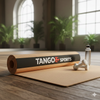
Choosing the Right Yoga Mat
, by Zaid hamid, 3 min reading time
, by Zaid hamid, 3 min reading time
Thick mats are the "luxury SUVs" of the yoga world. They provide maximum cushioning and are generally preferred for therapeutic or floor-heavy practices.
Best For: Beginners, seniors, or anyone with sensitive joints (knees, wrists, and hips).
Pros: * Extra Comfort: Perfect for poses where your knees or spine are pressed against the floor.
Versatility: Can be used for Pilates, HIIT, and core workouts that require more impact absorption.
Cons: * Stability Issues: The extra "squish" can make balancing poses (like Tree Pose) more difficult.
Portability: They are bulkier and heavier to carry to the gym or studio.
Thin mats are the "sports cars"—sleek, stable, and designed for performance and connection.
Best For: Advanced practitioners, travelers, and those who prioritize balance.
Pros: * Superior Balance: Being closer to the floor provides a solid, grounded feel for standing and balancing poses.
Portability: Lightweight and easy to roll up, making them perfect for on-the-go lifestyles.
Durability: Usually made of denser materials that don't compress over time.
Cons: * Less Cushioning: Can be uncomfortable for people with joint pain or during long floor sequences.